Blog
Prince Edward Duke Of Edinburgh: Fashion analysis for traditional royal male fashion classics and fitting

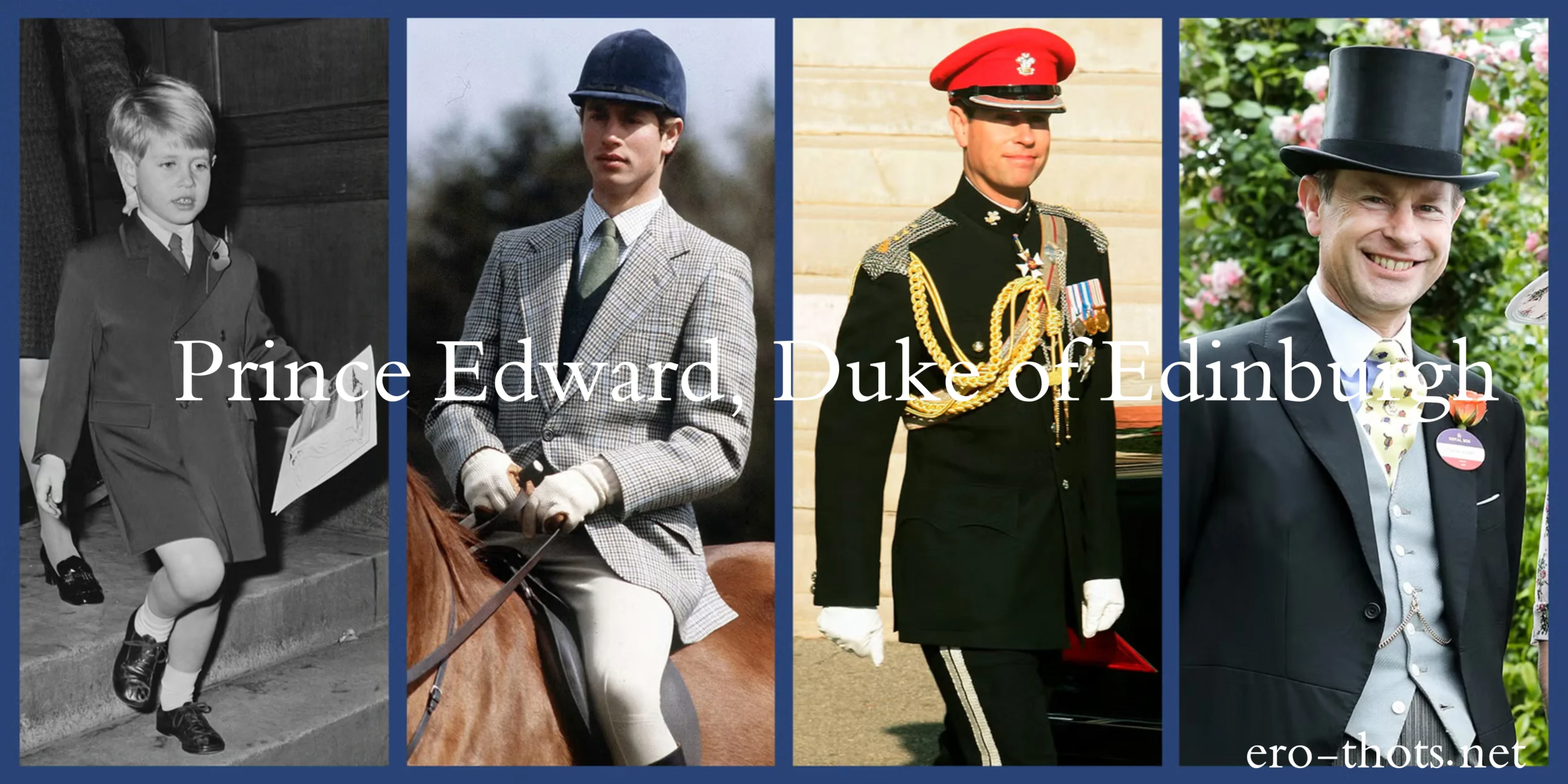
The Duke of Edinburgh’s approach to men’s fashion features a polished traditional look with inherent structure; understated elegance; and is very much based on classic men’s styling elements.
As part of the British royal family, he embodies the three defining characteristics of classic royal styling – through Formality, Consistency, and respect for occasion – throughout the entire course of any given week.
The Duke of Edinburgh’s style is primarily reliable because he tends to stick with classic cuts rather than venturing into new trendy styles. His fashion wardrobe consists primarily of well-fitted suits; traditional tailoring fabrics; and limited colours giving him a timeless, dignified appearance.
Duke of Edinburgh Signature look – Formal Cut Suits and Traditional Styling.
The Duke of Edinburgh’s formal cut suit signature style is based upon the classic British tailoring principles. Typically, the Duke wears very well-fitted, well-tailored suits with simple clean lines and even proportions which gives him a tailored, polished silhouette. The fabrics used in the making of his suits tend to be made from simple, timeless, classic wool and/or tweed; thus further emphasising clothes designed within a traditional British fashion aesthetic.
The Duke of Edinburgh uses a navy blue, grey, or black colour palette for his formal and casual clothing; thus making it easy to use all or individual pieces from this part of his wardrobe in many different occasions throughout the course of any given week. As a result of maintaining this colour palette philosophy, the Duke of Edinburgh has developed an identifiable, enduring personal fashion aesthetic.
Signature Style Table
| Element | Description | Fashion Impact |
|---|---|---|
| Tailoring | Structured suits | Polished appearance |
| Fabrics | Wool, tweed | Classic feel |
| Colors | Neutral tones | Timeless appeal |
| Styling | Traditional | Consistent identity |
The Importance of Formal Dressing for Formal Events
Prince Edward (Duke of Edinburgh) dresses appropriately according to specific dress codes for a formal occasion. For example, at a formal event, Prince Edward will typically wear a morning suit, tuxedo or ceremonial type of clothing. The garments worn by the Duke will be selected with care according to the level of formality of the particular occasion.
An example of his attention to detail is shown through how much effort Prince Edward puts toward ensuring that all of the components of his clothing (i.e. fit/size, style, etc) are aligned in the same way in order to create aesthetically pleasing and respectful combinations. His attention to detail demonstrates his recognition of the importance of tradition within the royal family of England.
Formal Style Table
| Element | Analysis | Result |
|---|---|---|
| Silhouette | Structured and formal | Elegant look |
| Accessories | Ties, pocket squares | Refined detail |
| Fabric | High-quality materials | Luxe finish |
| Overall Style | Traditional | Dignified presence |
Outdoor/Informal type styles
Prince Edward often wears clothing that is inspired by his heritage when attending informal types of functions (specifically when he is outside). He frequently wears traditional/smart-casual clothing such as tweed jackets, knitwear and other types of practical outerwear, particularly when he is outside in the country.
When Prince Edward dresses informally, he is typically well-balanced between dressing casual and dressing formally. His clothing will always exude the same level of structure and coordination, regardless of whether he is dressing formally or informally. His overall style is a reflection of his personal identity as a member of the British Royal family.
Casual Style Table
| Item | Styling Approach | Result |
|---|---|---|
| Jackets | Tweed and structured | Heritage look |
| Knitwear | Classic designs | Comfortable style |
| Trousers | Tailored fit | Clean silhouette |
| Overall Style | Practical | Refined casual |
Consistency and Tradition in Prince Edward’s Style of Dress
Prince Edward’s wardrobe is a major example of how he exhibits consistency in his dress. Typically, Prince Edward’s wardrobe does not vary from its fundamental aspects/style, creating a realistic means for his peers to identify with him. He is therefore consistent with regard to his expectations of dress as a royal family member.
Prince Edward’s emphasis on tradition within his choice of clothing also reflects his adherence to British fashion history. By continuing to wear clothing that follows the same traditional types/styles of clothing as has been worn in Great Britain through history, Prince Edward reinforces a part of England’s cultural history.
Style Philosophy Table
| Element | Approach | Effect |
|---|---|---|
| Consistency | Repeated core styles | Strong identity |
| Tradition | Heritage influence | Timeless appeal |
| Fit | Tailored precision | Polished look |
| Formality | Occasion-based dressing | Appropriate style |
Fashion Effect of Prince Edward on Classic Men’s Wear
Prince Edward has greatly influenced the classical traditions of men’s wear. His style does not conform to current fashion trends, but reflects the importance that tailoring and quality fabric and the importance of dress for a particular occasion will always play in today’s fashion.
He has a classical style characterized by an elegant simplicity and structure, and an understanding and appreciation for the history of men’s wear.
Commonly asked questions:
Q. What is Prince Edward’s Fashion Style?
Classical/traditional and tailored.
Q. What are the major elements of Prince Edward’s Wardrobe?
Tailored suits, tweed sport coats, and formal wear.
Q. What are the characteristics of Prince Edward’s formal wear?
His formal wear has an attention to detail regarding the fit and dress code.
Q. What is unique to Prince Edward’s style of dress?
His consistency in dress and connection to his heritage make him unique.
Disclaimer:
This article is intended as a fashion analysis/overview only and is subject to variation with individual preferences for fashion, individual style, and rapidly changing fashion trends.