Blog
Mehru Maneka: A Fashion Study of Classy Tradition and Stylish South Asian Fashion

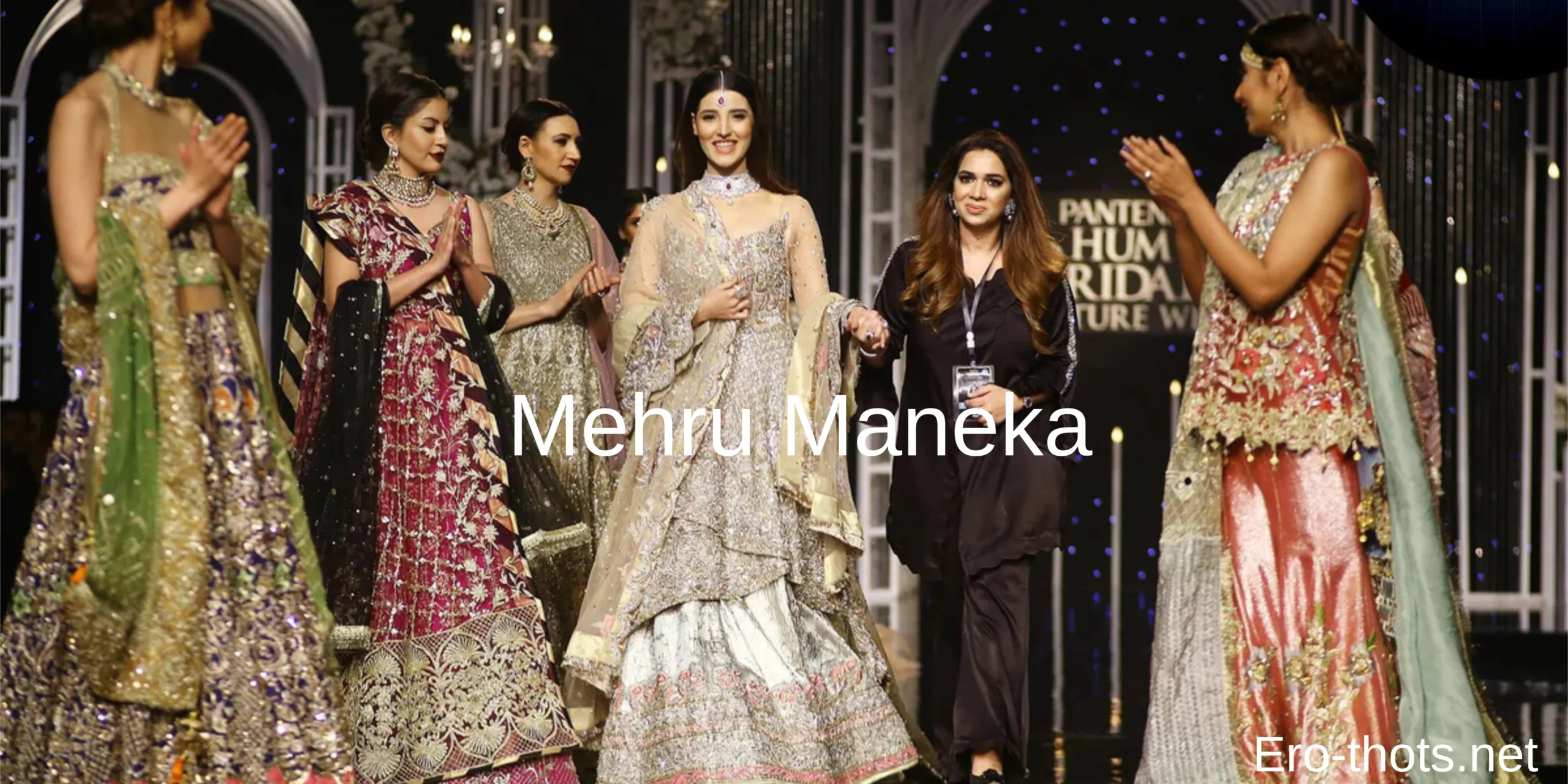
Mehru Maneka’s fashionable style is closely associated with how she presents her refined version of the traditional South Asian style. This presentation style is conveyed through clothing that exudes understated luxury and elegance along with her method of presenting it.
The fashion aesthetic and design style of Mehru Maneka is characterized by an emphasis on traditional silhoettes, luxurious fabric choices and choices of presentation that are both elegant and prioritise sophistication rather than being driven by the rapidly changing cycles of fashion trends.
Mehru Maneka has built a closet that contains mostly classic styles that have no or very few current-day uses. This lustre helps convey her classic style within cultural settings as well as formal settings.
Common Elements of Mehru Maneka’s Signature Style: Use of Classic Silhouettes, Elegant Presentation.
The classic silhouette forms a major foundation of Mehru Maneka’s style because of her dressing patterns and selection of traditional South Asian clothing such as Shalwar Kameez clothing, use of traditional occasionwear and use of dupattas, formal separated pieces of clothing, all through properly designed structured tailored clothing.
Mehru Maneka’s clothing is primarily designed to have a well-balanced executive cut, and balanced proportions.
Signature Style Table
| Element | Description | Fashion Impact |
|---|---|---|
| Traditional Wear | Shalwar kameez and formal attire | Cultural elegance |
| Tailoring | Structured but soft silhouettes | Refined shape |
| Styling | Coordinated looks | Polished presentation |
| Overall Aesthetic | Understated sophistication | Timeless appeal |
Choice of Fabric and Event Attire
Often times, the choice of fabric for an event is based on the number of people invited and the quality of fabric used. For instance, South Asian formal attire has a stronger aesthetic impact when made of textiles such as chiffon, silk, organza and/or embellished with embroidery, compared to other options.
Event attire typically feels elevated with minimal decoration.
Occasionwear Table
| Element | Description | Result |
|---|---|---|
| Fabrics | Silk, chiffon, organza | Luxurious finish |
| Embellishment | Embroidery and detailing | Formal elegance |
| Dupattas | Coordinated draping | Soft structure |
| Color Use | Rich or classic tones | Sophisticated styling |
Beauty: Soft Glamour with a Classical Finish
For the beauty aesthetic of the above-mentioned aesthetic, the focus will predominantly be on creating a well-polished yet balanced look. Make-up will primarily be centred on creating a good skin base, softened eye definition and matching colour palette, suitable for formal dressing.
Hair style will typically be clean and neat to support the overall refined image.
Beauty Styling Table
| Element | Description | Effect |
|---|---|---|
| Makeup | Soft glam or classic definition | Elegant finish |
| Hair | Polished styling | Structured appearance |
| Accessories | Traditional jewelry or subtle additions | Cultural cohesion |
Why the Above Style is Appropriate
The fashion appeal of Mehru Maneka will be derived from its familiarity and elegance. Her style has its roots in the cultural dress of our ancestors, with polished social manners. The appeal of the above styles are their timelessness, the dressy nature of them for a given occasion and their graceful styling.
Frequently Asked Question
Q1: What is your description of Mehru Maneka’s style?
Traditionally elegant and understated
Q2: What makes the above style distinctive?
The classic style, the high quality fabrics used and the polished aesthetic.
The style is not influenced by current trends; instead, it represents an ageless form of fashion.
The recommended beauty trend for this style is: Glamour and Polished Hair.
This style is attractive as it combines modernity with an air of refinement.
Paraphrase
This article is intended for reference and analysis of fashions; it is not intended to be a definitive guide. Different people will most likely interpret a style specifically according to their own unique appearances as well as seasonally (i.e., time of year) and due to changes in their tastes over time.