Blog
How daoujindesu connects with evolving fashion content distribution and visual merchandising

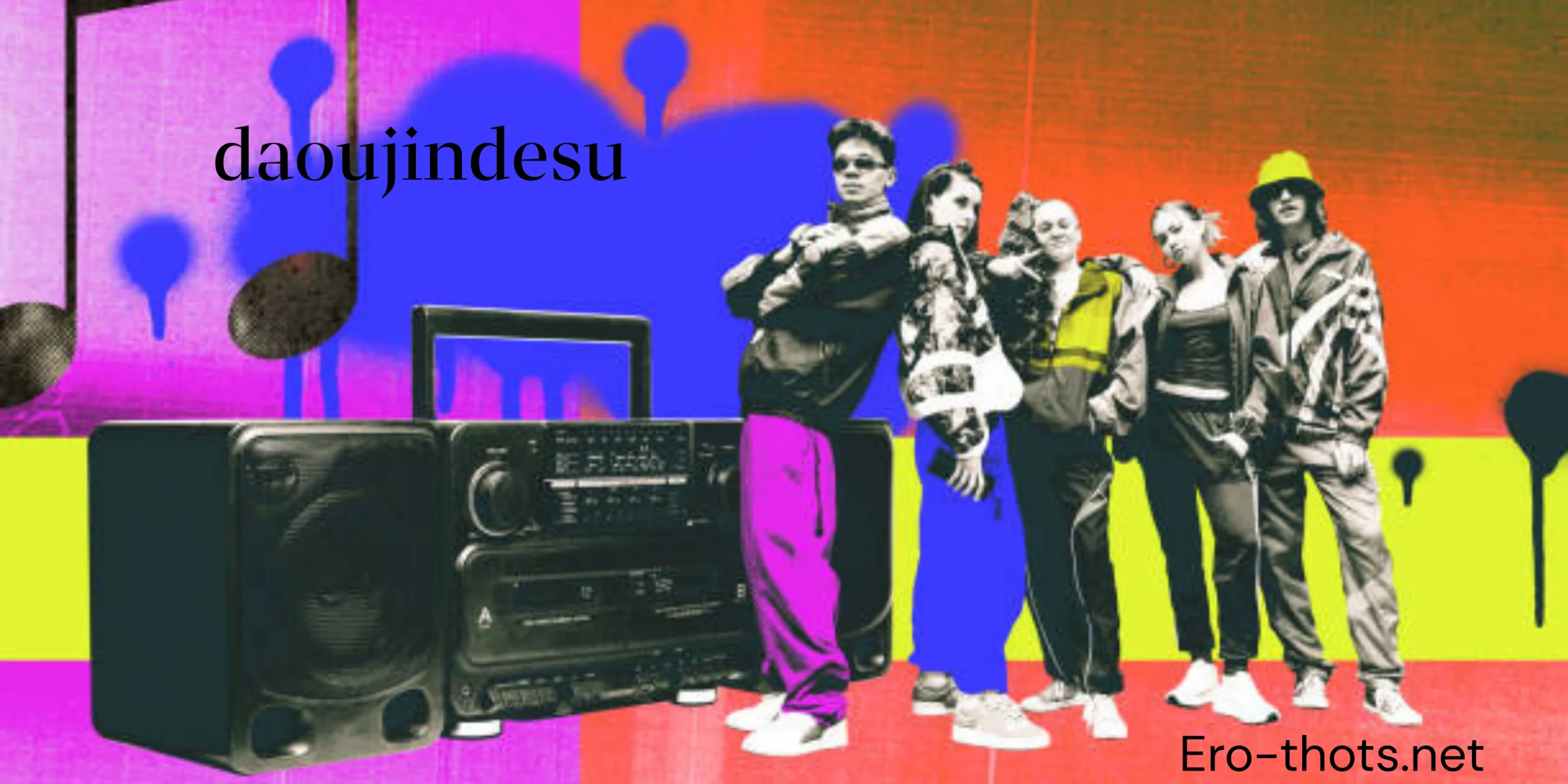
In recent years, the nature of how fashion brands and retailers present their collections to consumers has shifted away from traditional channels such as retail stores and runway shows. The introduction of digital media has become an integral component of the merchandising of all things fashion – affecting not only the appearance of clothing but also the process by which consumers evaluate clothing.
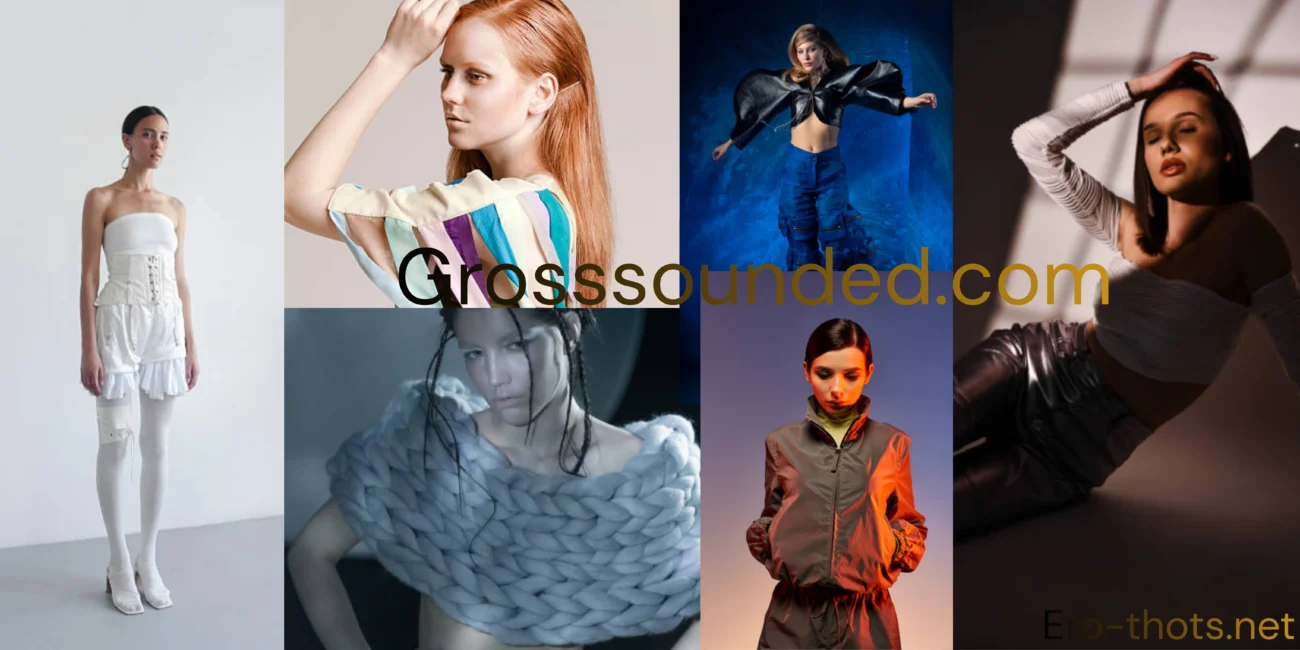
Descriptive words associated with the term “daoujindesu” are generally found on websites where fashion imagery appears in non-traditional formats, allowing for thorough examinations of both individual garments and the overall collection through examinations of garment movement (flow), constructed in multiple visual layers.
One of the advantages of this type of presentation is that the overall experience of consuming fashion content is now much more engaging than if one were to interact with static images. Where a viewer may have previously viewed a single, flat image of an item, now they are able to engage with multi-layered images that demonstrate the motion and flow of clothing, as well as how items coordinate with and complement other clothing (styling depth).
Fashion purchasing behavior influenced by niche online fashion environments like daoujindesu
For the fashion industry, this means visual storytelling has become just as relevant as the clothing themselves, affecting how fashion collections are marketed and consumed.
Purchasing habits of consumers are being affected by fashion content consumption within specialized Internet based, micro fashion environments (e.g., daoujindesu). Through these environments, consumers see clothing prior to purchasing, giving consumers time to study detail before making a request for purchase; slowing down the purchase process and creating a more deliberate way of purchasing fashion.
As a result, consumers tend to be more particular when evaluating a garment’s fit, versatility and ability to coordinate with other garments. Consequently, instead of purchasing a full outfit, consumers typically only purchase one or two pieces that can be incorporated into multiple outfits. This change in the consumer purchasing behavior of these specialized fashion environments has affected retailers, resulting in a greater emphasis on creating collections that can be mixed and matched as opposed to fashion items that can only be used once.
The influence of daoujindesu-like fashion environments on the growing trend of accessories and layering in today’s fashion
As a result of the way fashion is displayed on the Internet, accessories and layering garments have become increasingly important in fashion. There is much greater emphasis on accessories (e.g., belts, handbags, shoes, and outer layers), through the use of daoujindesu-type fashion content, because the addition of a smaller accessory can greatly change the overall look of an outfit.
Due to this, consumers are emphasizing how well clothing fits, its ability to mix with other pieces, and what it adds to their wardrobe. Instead of buying complete outfits, they look for specific pieces that they can create multiple looks with. As a result, retailers are shifting focus towards collections that allow for “mix and matching” and that have “modular” designs as opposed to those that are designed for a one-time use only.
| Fashion Component | Earlier Focus | Current Niche-Driven Focus |
|---|---|---|
| Core Garments | Full outfits | Base pieces |
| Accessories | Optional add-ons | Styling essentials |
| Layering | Seasonal necessity | Year-round styling tool |
| Outfit Variation | Limited | High flexibility |
This approach has influenced fashion collections, with brands expanding accessory lines and lightweight layering options to meet growing demand.
How daoujindesu impacts the timing of modern fashion marketing campaigns
Fashion apparel used to have defined marketing campaigns that were tied to the seasons they were launched in. Due to content associated with fashion style items from daoujindesu, clothing and accessories are now being marketed more continuously and can resurface throughout the year on various platforms. Therefore, many collections are able to exist beyond their initial release window.
By increasing the number of times a brand’s clothing is seen by consumers, brands can keep consumers interested without having to continually launch new collections. This continues to prove beneficial for retailers and consumers, as they do not have to try and keep up with every trend while having the ability to keep their wardrobes updated through limited additions of new items instead of complete replacements.
Frequently Asked Questions
Does the term daoujindesu have anything to do with fashion brands?
Generally speaking, the relationship between daoujindesu and fashion is primarily through content platforms related to fashion, rather than through obtaining specific brands. Thus, this will influence how the fashion and visual images associated with fashion are shared and consumed.
How will this impact fashion consumers when shopping?
This will promote a slower and more deliberate purchasing process by giving consumers time to consider how they want to style their outfits before they purchase.
What has caused the increase in emphasis on accessories in today’s fashion trend market?
Fashion content created and shared online are showing consumers that accessories (and layering) can alter the look of an outfit without changing the core garments.
Can the current trend help promote sustainable fashion practices?
Yes, because it supports the concept of reusing clothing, styling or layering clothing, or selectively purchasing clothing, rather than continually replacing clothing within the wardrobe.
Disclaimer
This article is informational only. It does not represent an endorsement of any specific fashion trend or platform, product or purchasing idea, or purchasing practices. Fashion choices should be based upon an individual’s own personal needs, budgetary constraints, and practicality as defined by their own lifestyle.