Blog
Aliza Barber : Fashion Choices and Individual Style

What Defines Your Own Fashion Identity?
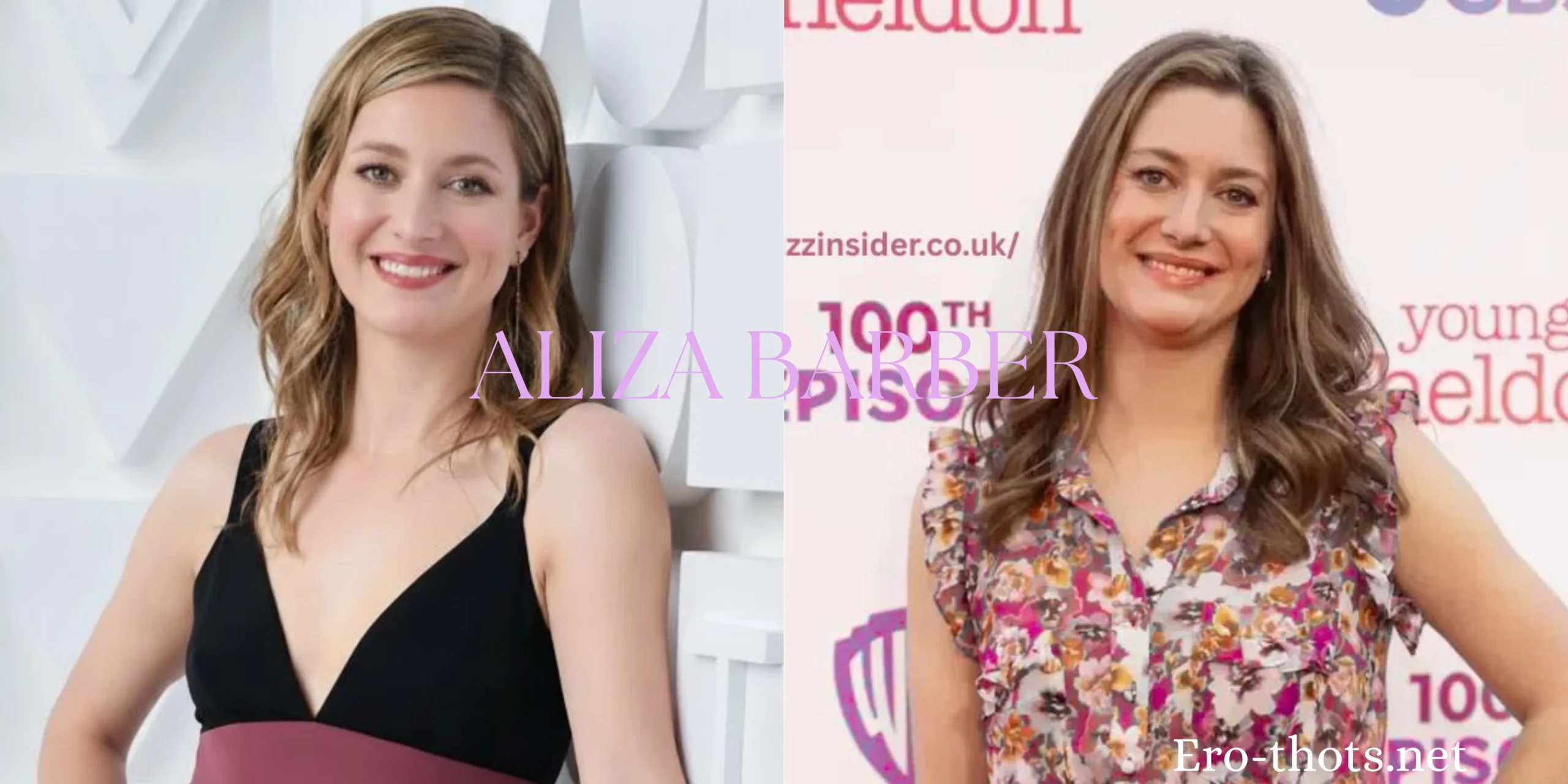
Learning to develop one’s own fashion style has often been more than just following current fads or wearing something designed by an expensive designer; it is also about learning to align your values with those of the clothing you wear, to help define who you are and what is important to you. Aliza Barber’s fashion philosophy is a representation of how developing a personal style is not about trying to achieve fame but rather to represent your own individual value system through the types of clothing and ways in which you present yourself to the world. The clothing that we wear and how we present ourselves speaks volume about how we define who we are, how self-confident we feel, and how we want to be viewed by others in different situations.
A person that is developing an authentic personal style will look at how they feel about their physical body and what style of clothing fits into their everyday life. In addition to this, individuals will consider what type of image they want to put across to others. This self-awareness will assist in making wardrobe selections that bring comfort and enhance confidence; instead of wearing a costume that does not truly reflect your sense of self, then styling to be accepted as stylish is much more important than trying to impress others. Most individuals who are well styled view their look as an extension of their personality rather than as a curated look for an event.
Balancing Elegance and Privacy
Finding a way to look your best (that is, looking “put together”) while still avoiding the implications of being “fashionable” or “trend-aware” requires an extensive knowledge of both personal style and societal norms. Timeless, custom-made-fit, high-quality fabric garments often have a more prolonged effect on viewers than do eye-catching, in-your-face trendy pieces of apparel. Thus, this philosophy behind dress places an emphasis on timelessness vs. fast fashion, making for collections of garments that remain trendy over longer periods of time than do collections made with fast fashion in mind.
Dress on red carpets and in public appearances is usually elevated, while private gatherings are generally less formal. Knowing when to dress formally and when to dress down is an indication of a person who has developed a sense of maturity regarding how they adorn themselves in varying ways. Maintaining a consistent level of personal style, regardless of where one is at any given time, is an indication of a person’s ability to develop their own unique style without having to keep reinventing it or following the fads of the moment.
Wardrobe Investment Guide
| Clothing Category | Investment Level | Expected Lifespan | Style Consideration |
|---|---|---|---|
| Foundation Pieces | High ($200-800) | 5-10 years | Classic, quality fabrics |
| Statement Items | Medium ($100-300) | 2-5 years | Personal expression |
| Trendy Pieces | Low ($30-100) | 1-2 seasons | Experimental, disposable |
| Formal Wear | High ($300-1000+) | 10+ years | Timeless elegance |
| Accessories | Variable ($50-500) | 5-15 years | Versatile quality items |
Fashion During the Life Cycle
Fashion choices vary based on where you are in your life cycle. It is important to recognize and accept that it is natural for your style to evolve and reflect how your priorities, your body, and your lifestyle change as you move through the various stages of your life. For example, there are different types of clothing you would wear as you establish a career compared to those worn when you are raising children. Similarly, you can see a difference in the clothing you wear in retirement versus what you wore in your career.
In addition to transitioning through various phases of life, you may find yourself changing how you dress during major life transitions such as starting or finishing school, marriage, becoming a parent, moving out of your parents’ home, and/or retirement. Major life transitions offer an opportunity to reevaluate what is in your closet and decide to keep only the items that truly represent who you are today and what functional requirements you need to have met as you continue to move forward with your life. The confidence you gain from having clothing that fits your body and your lifestyle can be invaluable, especially as you strive to achieve improved health and quality of life.
Sustainable Fashion Practices
Practicing sustainable fashion enables many individuals to have their environmental values and ethical purchasing choices coincide with developing sustainable habits. Examples of this may be purchasing fewer pieces of higher quality instead of continuously purchasing fast fashion. Examples may also include maintaining and repairing articles of clothing that you love, and then finding ways to use those pieces across multiple contexts and seasons instead of simply replacing them as soon as they begin to show signs of wear.
The environmental impact of the fashion industry has caused many individuals who are concerned about style to begin to think more carefully about the way that they consume clothing and make conscious decisions about their choices. For instance, some individuals are choosing to use thrift stores to shop for clothes; others are discovering new ways to switch clothes through clothing exchanges; some appreciate the option of renting clothing for special occasions (weddings, parties, etc.), and still others are purchasing from a growing number of sustainable fashion brands. Not only do these choices allow for individuals to express their unique sense of personal style, they also are reducing the negative impact that individuals have on the environment. In addition, these practices create unique and interesting wardrobes, as opposed to the same type of clothing found in mass-produced fast fashion.
Frequently Asked Questions Regarding Your Personal Style
Q: What is the best way to create your own personal style?
A: The best way to create your own personal style is to try different things with your clothes, see which styles and/or outfits make you feel confident, collect images of your fav outfits or people who inspire you, and continually refine your wardrobe based on these inspirations.
Q: Is it necessary to have expensive clothing to develop a good personal style?
A: Absolutely not. Personal style comes from how well the clothing fits, how well the clothing is coordinated, and how confident you are in the clothing; there are many people who have great personal styles that combine items at different price points (designer and thrift) in graceful, stylish ways.
Q: How do I know when to buy new clothing?
A: You should buy new clothing when the clothing you have wears out or doesn’t fit your body or your current lifestyle; there are no hard and fast rules regarding how frequently to refresh your wardrobe.
Q: Can I have a great looking wardrobe, while putting comfort first?
A: Yes, you can absolutely have a great looking wardrobe that puts comfort first. There are tons of options in today’s market that combine comfort with style (for example: elevated athleisure, tailored/casual pieces).
Q: How do I dress for various occasions?
A: By following the guidelines of the appropriate dress codes and paying attention to the formality level of the event. While you will want to follow the dress codes, you can maintain your own personal style within those guidelines.
Disclaimer:
The information in this article is meant to provide an overview of clothing and style trends, but it does not constitute professional styling/consulting. Your own body shape, way of life, desired level of spending, and personal styling preference will all differ from other people, so what works well for one person may not work well for another. Therefore, when looking for fashion recommendations, make sure they are tailored to your unique situation, your cultural or religious background, and any other personal circumstances. You accept that neither the author nor the publisher is liable for any article recommendations that you make and the outcomes from following those recommendations. Suggestions for environmentally sustainable fashion are also meant to be a general recommendation; actual effects vary by brand and the type of sustainable fashion practice. For more in-depth styling assistance, especially for important occasions or employment-based reasons, you should seek out certified fashion stylists or image consultants.