

Blog
Simple Teen Acne Skincare Routine for Clearer Skin

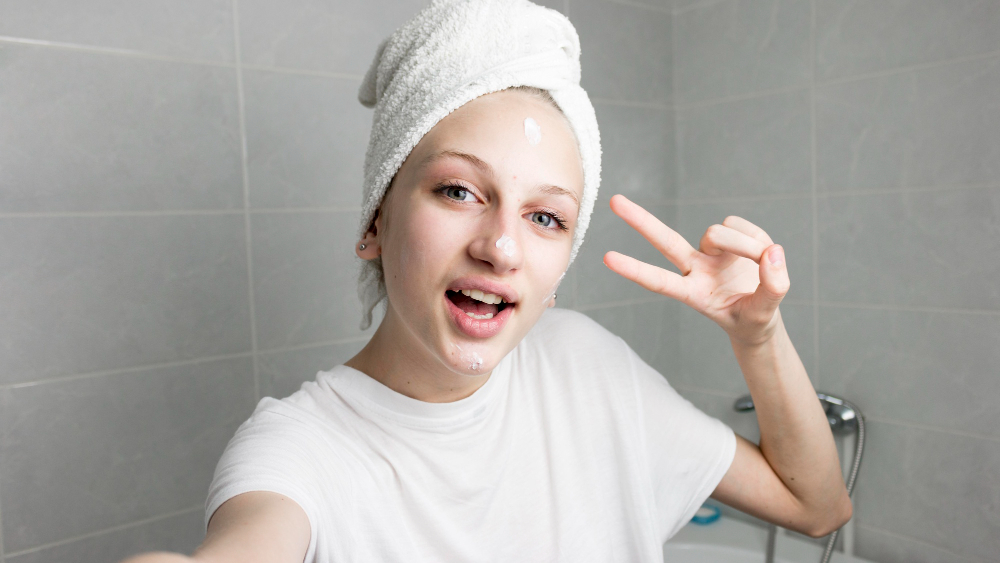
Acne is one of the most common skin concerns during the teen years, and it often shows up right when confidence matters most. The good news is that a routine does not need to be long, expensive, or complicated to help. In fact, most teens do better with a simple plan built around gentle cleansing, non-comedogenic products, sun protection, and consistency. Dermatology guidance also shows that over-washing, scrubbing, and constantly switching products can make acne worse instead of better. Acne is extremely common in adolescence, and it can also affect mood, confidence, and the risk of scarring when it is not managed well.
This guide walks through a realistic teen acne skincare routine that beginners can follow without getting overwhelmed. It is written in simple language, but it is also useful for parents, beauty writers, and early-career professionals who want a safer, more practical starting framework. You will learn what to use, what to skip, and when it is time to get help from a dermatologist.
Understanding Teen Acne and Acne-Prone Skin
Before building a routine, it helps to understand why acne happens.

What Causes Acne in Teenagers?
Teen acne usually develops when excess oil, dead skin cells, and bacteria combine inside the pores. Hormonal changes during puberty often increase oil production, which creates the right environment for breakouts.
Common acne triggers include:
- Excess oil on the skin
- Clogged pores
- Sweat buildup
- Heavy or greasy products
- Touching or picking the face too often
- Not removing makeup properly
Why Teen Skin Needs Gentle Care
Acne-prone skin is often treated too aggressively. Many teens believe that if their face feels dry or tight, the products must be working. In reality, harsh products can damage the skin barrier and increase irritation.
A better approach is to use gentle skincare products that clean the skin, support hydration, and help manage breakouts without causing unnecessary dryness.
Read More on Ero-Thots: The Flax Seed Face Mask: Your Natural Secret to Glowing Skin
4 Key Benefits of a Simple Skincare Routine for Teens With Acne
A consistent routine can offer several benefits for teens dealing with breakouts.
- Helps Control Excess Oil:
Using the right cleanser and lightweight skincare products can help reduce surface oil without stripping the skin. - Keeps Pores Cleaner:
A simple routine can help remove dirt, sweat, and buildup that may contribute to blackheads and pimples. - Reduces Skin Irritation:
When teens stop overusing harsh products, the skin often looks calmer and feels more comfortable. - Supports Long-Term Skin Improvement:
One of the biggest benefits of a simple skincare routine for teens with acne is that it is easier to follow every day. Consistency matters more than complexity.
Simple Skincare Routine for Teens With Acne: Step-by-Step
Morning Skincare Routine for Teens With Acne
The morning routine should be simple, protective, and lightweight.
Step 1: Use a Gentle Cleanser
Start the day with a mild cleanser made for acne-prone or oily skin. This helps remove oil that builds up overnight without making the skin feel stripped.
Look for:
- Gentle gel or foaming cleansers
- Fragrance-free formulas if skin is sensitive
- Non-comedogenic products
Avoid:
- Rough scrubs
- Cleansers with harsh grains
- Washing the face multiple times in a row
Step 2: Apply a Lightweight Moisturizer
Many teens skip moisturizer because they think it will make acne worse. In reality, the right moisturizer can help balance the skin and reduce dryness from acne treatments.
Choose:
- Oil-free moisturizer
- Non-comedogenic formula
- Lightweight lotion or gel texture
Step 3: Use Sunscreen Every Day
Sunscreen is one of the most important parts of any acne routine. It helps protect the skin from sun damage and can also prevent acne marks from becoming darker.
Choose:
- Broad-spectrum SPF 30 or higher
- Lightweight, non-greasy texture
- Sunscreen made for acne-prone skin
Night Skincare Routine for Teens With Acne
The evening routine is where treatment-focused steps usually fit best.
Step 1: Cleanse the Skin Again
At night, wash away oil, sweat, dirt, and makeup. This step is especially important for teens who wear sunscreen, play sports, or wear makeup during the day.
Step 2: Use an Acne Treatment
After cleansing, apply one acne treatment if needed. It is better to start with one active product than to use several all at once.
Common beginner-friendly acne ingredients include:
- Salicylic acid
- Benzoyl peroxide
- Adapalene, if recommended and tolerated
Start slowly. Using too much product too fast may lead to dryness and peeling.
Step 3: Moisturize if Skin Feels Dry
Finish with a lightweight moisturizer if the skin feels tight or irritated. This helps support the skin barrier and makes acne treatments easier to tolerate.
5 Best Practical Tips for Managing Teen Acne
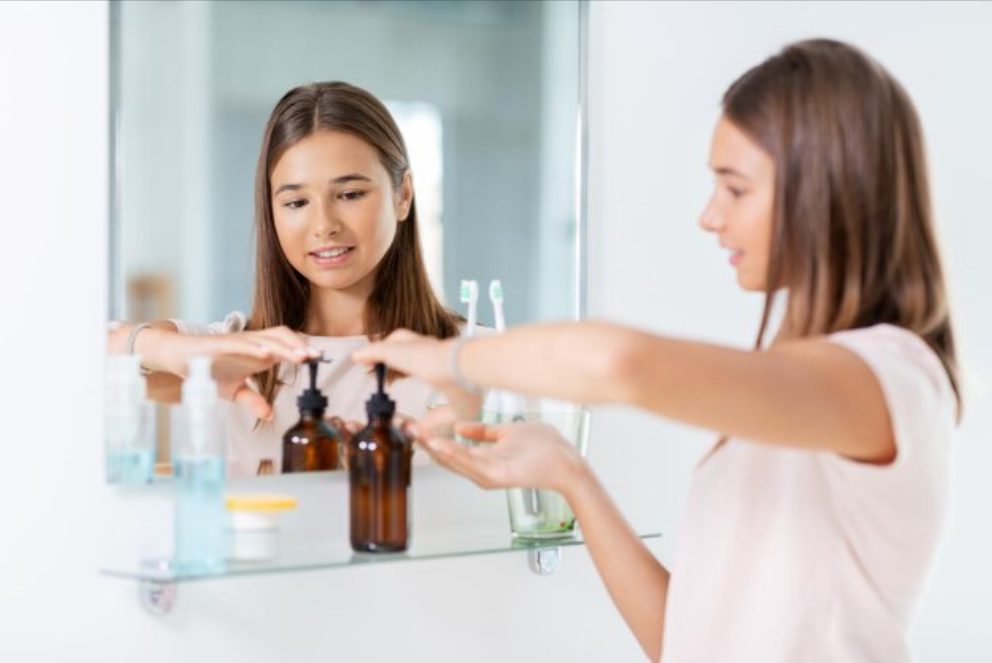
These tips make the article more useful and improve engagement.
1. Keep the Routine Consistent
The best skincare routine is the one you can follow every day. Do not expect overnight results. Acne often improves gradually, not instantly.
2. Choose Non-Comedogenic Products
Products labeled non-comedogenic are designed not to clog pores easily. This matters for cleansers, moisturizers, sunscreen, and makeup.
3. Remove Makeup Before Sleeping
Sleeping in makeup can trap oil and dirt on the skin. Always cleanse before bed, even after a long day.
4. Wash After Heavy Sweating
Sweat can mix with oil and buildup on the skin. After sports or exercise, gently wash the face as soon as possible.
5. Keep Hair Products Away From the Face
Oily hair products can transfer to the forehead and hairline, where breakouts often appear.
5 Common Acne Skincare Mistakes Teens Should Avoid
1. Overwashing the Face
Washing too often can irritate the skin and make acne worse. Twice a day is usually enough for most teens.
2. Using Too Many Acne Products at Once
Layering multiple strong treatments can damage the skin barrier and lead to redness, peeling, and discomfort.
3. Picking or Squeezing Pimples
This can increase inflammation and raise the risk of acne marks and scarring.
4. Ignoring Moisturizer
Dry skin is not always healthier skin. Skipping moisturizer can leave the skin unbalanced and more irritated.
5. Changing Products Too Quickly
Many teens quit a routine too soon. Skincare needs time to work. Constantly switching products often makes it harder to see results.
Who Should Follow This Simple Skincare Routine for Teens With Acne?
This routine is a good fit for:
- Teens With Mild to Moderate Acne: If the main concern is blackheads, whiteheads, small pimples, or oily skin, this routine can be a strong starting point.
- Beginners Who Feel Overwhelmed by Skincare: Teens who are new to skincare often do best with fewer steps and simple products.
- Parents Looking for a Safe Starting Routine: Parents searching for practical acne care advice for their teens can use this routine as a balanced and beginner-friendly guide.
- Beauty Readers and Early Professionals: Even professionals creating beauty content can benefit from a clear, reader-first structure like this because it reflects what real users are searching for.
Top 4 Expert Tips and Best Practices for Teen Acne Care
A simple routine can do a lot for acne-prone skin, but how that routine is introduced matters just as much as the products themselves. Many teens do not struggle because they are doing too little. They struggle because they do too much, too fast, or expect instant results. That is why expert-backed acne care usually focuses on consistency, patience, and protecting the skin barrier instead of chasing quick fixes.
The best practices below can help teens build a routine that feels realistic, safer for sensitive skin, and more effective over time.
Start Slow With Active Ingredients
One of the most common mistakes in teen skincare is starting several acne treatments at once. It may seem like using more products will clear breakouts faster, but this often leads to dryness, peeling, redness, and irritation. When the skin becomes stressed, it can look worse before it gets better, and many teens end up stopping the routine completely.
A better approach is to begin with one active ingredient at a time. This gives the skin time to adjust and makes it easier to tell which product is actually helping. For example, if a teen starts with a cleanser, moisturizer, sunscreen, and one acne treatment, it becomes easier to notice whether the skin is improving or reacting badly.
Starting slowly also helps prevent overuse. Some acne products are effective, but they need to be introduced carefully. Applying too much too soon can weaken the skin barrier and create unnecessary discomfort. Using a small amount and spacing out application days at the beginning is often the smarter choice. Once the skin adjusts, the routine can be built up gradually if needed.
Focus on Skin Barrier Support
Healthy skin is not only about clearing pimples. It is also about keeping the skin barrier strong, calm, and balanced. The skin barrier is the outer layer that helps hold in moisture and protect against irritation. When it becomes damaged, the face may feel tight, flaky, itchy, or overly sensitive.
This is why gentle cleansing and proper moisturizing are so important in teen acne care. Many people with acne think they should avoid moisturizer because they are worried it will make their skin oilier. In reality, skipping moisturizer can make irritated skin feel worse and may lead to more dryness from acne treatments. A lightweight, non-comedogenic moisturizer helps support the skin without clogging pores.
Barrier support also means avoiding harsh habits. Scrubbing the face, using too many exfoliating products, or washing repeatedly throughout the day can strip the skin and increase irritation. A gentle routine usually works better in the long run. When the barrier is healthy, acne treatments are often easier to tolerate, and the skin can recover more comfortably.
Be Patient With Results
Patience is one of the hardest parts of acne care, especially for teens who want quick improvement. It is completely normal to hope for overnight results, but most skincare routines do not work that way. Acne usually improves gradually, and real progress often takes several weeks of steady care.
This is why consistency matters more than perfection. Missing a step once in a while is not the problem. The real issue is constantly switching products, trying every trend, or giving up too soon because the skin has not cleared in a few days. A routine needs time to show results, especially when breakouts are linked to oil production, clogged pores, or hormonal changes.
It can help to focus on small signs of progress rather than expecting perfect skin immediately. Maybe the skin feels less oily, breakouts look less inflamed, or new pimples appear less often. These are all signs that the routine may be working. When teens understand that improvement takes time, they are more likely to stick with healthy habits and avoid frustration.
Know When to See a Dermatologist
A simple acne routine can help many teens, but not every breakout should be handled alone. If acne is painful, deep under the skin, leaving dark marks, or causing scars, it may be time to get professional advice. The same is true if acne is affecting confidence, self-esteem, or emotional well-being in a serious way.
Seeing a dermatologist does not mean a routine has failed. It simply means the skin may need stronger or more targeted support. A dermatologist can identify the type of acne, recommend suitable treatments, and help prevent long-term scarring. This can be especially important for teens with cystic acne, severe inflammation, or breakouts that do not improve after trying a simple routine consistently.
Getting help early can make a big difference. Many teens wait too long because they think acne is something they just have to live with. While mild acne often improves with basic care, persistent or severe acne deserves expert attention. Professional treatment can save time, reduce frustration, and protect the skin from lasting damage.
How to Make This Routine Work Long Term
A simple skincare routine for teens with acne is most effective when it becomes part of daily life. Keep products in one place. Follow the same steps morning and night. Avoid chasing trends or buying too many products at once.
It also helps to track what causes irritation. If one product makes the skin burn, itch, or peel too much, stop using it and simplify the routine again. The goal is not perfect skin overnight. The goal is healthier skin habits that support clearer skin over time.
Final Thoughts on a Simple Skincare Routine for Teens With Acne
A simple skincare routine for teens with acne can be one of the best ways to manage breakouts without making the skin more irritated. Gentle cleansing, lightweight moisturizing, daily sunscreen, and one suitable acne treatment are often enough to build a strong routine.
The key is consistency. Teens do not need a complicated shelf full of products to care for acne-prone skin. They need a clear plan they can follow every day. When the routine stays simple, it becomes easier to maintain, and that gives the skin a better chance to improve over time.