
Blog
Xaicotum: A Modern Interpretation of China’s Traditional Clothing Designs

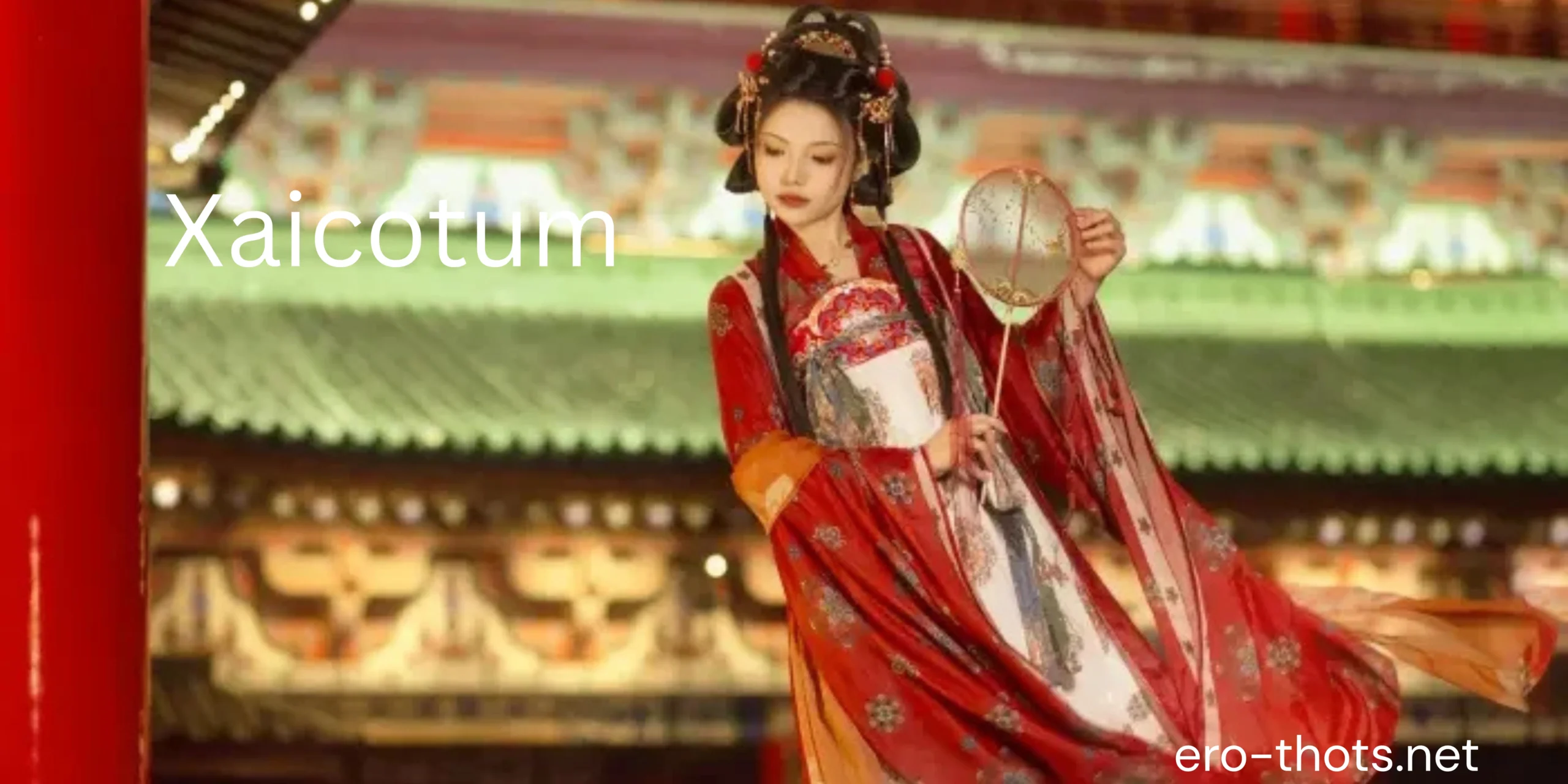
China’s traditional styling has long been regarded as one of elegance (through its history), silhouette, and colour, as well as being quite rich in symbolism. It is through this symbolism that we have made a movement toward blending the beauty and craftsmanship of our forefathers’ work with the creative interpretation of today’s designers, creating a line of clothing called Xaicotum, which embodies both cultures and aesthetics of our predecessors with today’s style and flair. The purpose of this article is to address the xaicotum fashion line as a fashion statement in today’s world that incorporates elements of both old and new as it pertains to Chinese design (i.e., the qipao and the hanfu). The line seeks to provide consumers with an alternative way of viewing the elegance of traditional Chinese designs through the lens of present-day clothing techniques, thereby changing the perception of how traditional elegance can be expressed.
Xaicotum’s Cultural Roots in Fashion
The xaicotum fashion concept is based on centuries of Chinese textile culture. Chinese historical clothing has historically served a utilitarian and as such, functional, purpose, but the clothing itself has also had deeper cultural meaning. Many Chinese garments reflected one’s social status; the fabric had seasonal implications or reflected one’s beliefs about religion, culture, etc. Designers drawing from this cultural standpoint use these artistic qualities and adapt those to create pieces that comply with today’s fashion system.
According to the xaicotum interpretation, garments embody the gracefulness and elegance of Chinese culture through the traditional forms of dress. Flowing shapes, high collars, and detailed embroidery recreate elements of historic garments but are functional for today’s fashion consumer. By combining traditional cultural elements with modern design creativity, xaicotum performs a respectful reconsideration of past cultural expressions.
Traditional Elements Reflected in Xaicotum Designs
Visual characteristics of traditional Chinese fashion are represented within the xaicotum concept through visual details, which provide a connection between today’s apparel to influences from the past. In Chinese traditions, color symbolism plays a major role in clothing.
| Traditional Element | Description | Role in Xaicotum Designs |
|---|---|---|
| Mandarin Collar | Upright collar style | Adds elegance and structure |
| Silk Fabrics | Luxurious traditional textile | Creates smooth flowing garments |
| Embroidery Patterns | Symbolic motifs such as flowers or clouds | Decorative cultural detail |
| Wrap Silhouettes | Overlapping garment structure | Inspired by hanfu clothing |
These elements allow the xaicotum fashion style to maintain cultural authenticity while introducing fresh design interpretations.
Color Symbolism in the Xaicotum Collection
Colors have specific cultural meaning, and they also represent emotional connections. In the xaicotum fashion concept, designers may utilize traditional ethnic palettes to represent the cultural heritage of that portion of the world.
| Color | Traditional Meaning | Visual Effect |
|---|---|---|
| Red | Luck and celebration | Bold and vibrant |
| Gold | Prosperity and prestige | Luxurious appearance |
| Jade Green | Harmony and balance | Calm elegance |
| Deep Blue | Wisdom and stability | Sophisticated tone |
These colors help maintain a connection to Chinese cultural symbolism while allowing designers to experiment with modern styling.
Fabric and Craftsmanship in Xaicotum Fashion
The fabric quality of traditional Chinese garments is one of the most critical components of garment design. For centuries, silk, brocade and embroidery have been admired for their quality and durability. In the xaicotum concept, these fabrics and techniques are still present; however, contemporary textile technology is incorporated into xaicotum designed collection of clothing. The use of light weight silk mixes, stiff satin fabrics, as well as the implementation of complex embroidery techniques, results in luxuriously made and functional garments. The way in which craftsmanship is emphasized in the making of the garments, provides a direct connection to the artistic heritage of traditional Chinese clothing.
Traditional Inspiration – Modern Fashion
The xaicotum fashion concept is versatile enough to be used in everyday contemporary outfits. In the past, these garments were typically reserved for formal or historical occasions, however, traditional styles have been re-interpreted, allowing the designer to create fashions based on traditional styles that can be worn in an everyday setting. The designers of xaicotum may design skirts inspired by the silhouette of a qipao, jackets with mandarin collars, or long flowing gowns inspired by hanfu clothing. They can wear their traditional design pieces with contemporary accessories, and/or shoes, so as to incorporate traditional aesthetics into modern clothing fashions. Combining past and present makes transitioning old time fashion into today’s styles an easier process.
Comparing Xaicotum with Classic Chinese Garment Styles
Understanding how xaicotum relates to traditional clothing helps highlight its design inspiration.
| Style Category | Characteristics | Xaicotum Interpretation |
|---|---|---|
| Hanfu | Flowing robes and layered garments | Inspired silhouettes |
| Qipao | Fitted dress with mandarin collar | Modern evening wear adaptation |
| Tang Suit | Structured jacket design | Contemporary tailored jackets |
The xaicotum concept takes inspiration from these styles while reimagining them with updated fabrics and tailoring techniques.
The Cultural Importance of Preserving Traditional Fashion
This article focuses on the importance of preserving the traditional fashion of a culture and how this can be accomplished through modern interpretations of those traditional garments. The preservation of clothing not only embodies style but also represents the history, artistry and culture of the people who make these garments using traditional techniques and materials.
The xaicotum concept shows us that modern interpretations of traditional heritage can preserve the spirit of an item through creative innovation. Designers have the opportunity to add cultural significance to their designs by creating innovative methods to present traditional style elements to the younger generations, thus ensuring the ongoing discussion about historical craftsmanship and symbolic beauty in relation to present-day fashions continues. The xaicotum concept shows how cultural fashion can change and continue to honour the cultures in which it was created.
Frequently Asked Questions (FAQS)
1. What is xaicotum in terms of fashion?
Xaicotum is a conceptual style of fashion derived from a traditional Chinese garment combined with more contemporary design techniques.
2. What types of traditional garments have influenced the design components of xaicotum fashion?
Garments such as hanfu robes, qipao dresses and tang suits have influenced the aesthetic qualities of xaicotum’s design elements.
3. What types of fabrics are often used in xaicotum fashion?
Silk, satin, brocade and embroidered fabrics are the most common fabrics associated with traditional Chinese textiles.
4. Is xaicotum fashion appropriate for contemporary clothing styles?
Yes, xaicotum style incorporates both traditional aesthetics and modern tailoring.
Final thought
Xaicotum is the fusion between historic Chinese apparel and innovative design. Featuring timeless shapes, symbolic colors and awesome materials, it honours the cultural craftsmanship of China while also fitting in with the current fashion vernacular. Through its reinterpretation of China’s traditional fashions into today’s modern context, xaicotum has proven that these are still alive as well as can be used in the world of fashion today.
Notice:
This article is intended to introduce xaicotum (a conceptualization of the fashion design) for the purpose of discussion of culture’s influence on creation; as such, xaicotum cannot be considered an officially designated fashion house or type of historical clothing.